Beyond the Icebreaker: Corporate Event Ideas Your Team Will Actually Talk About
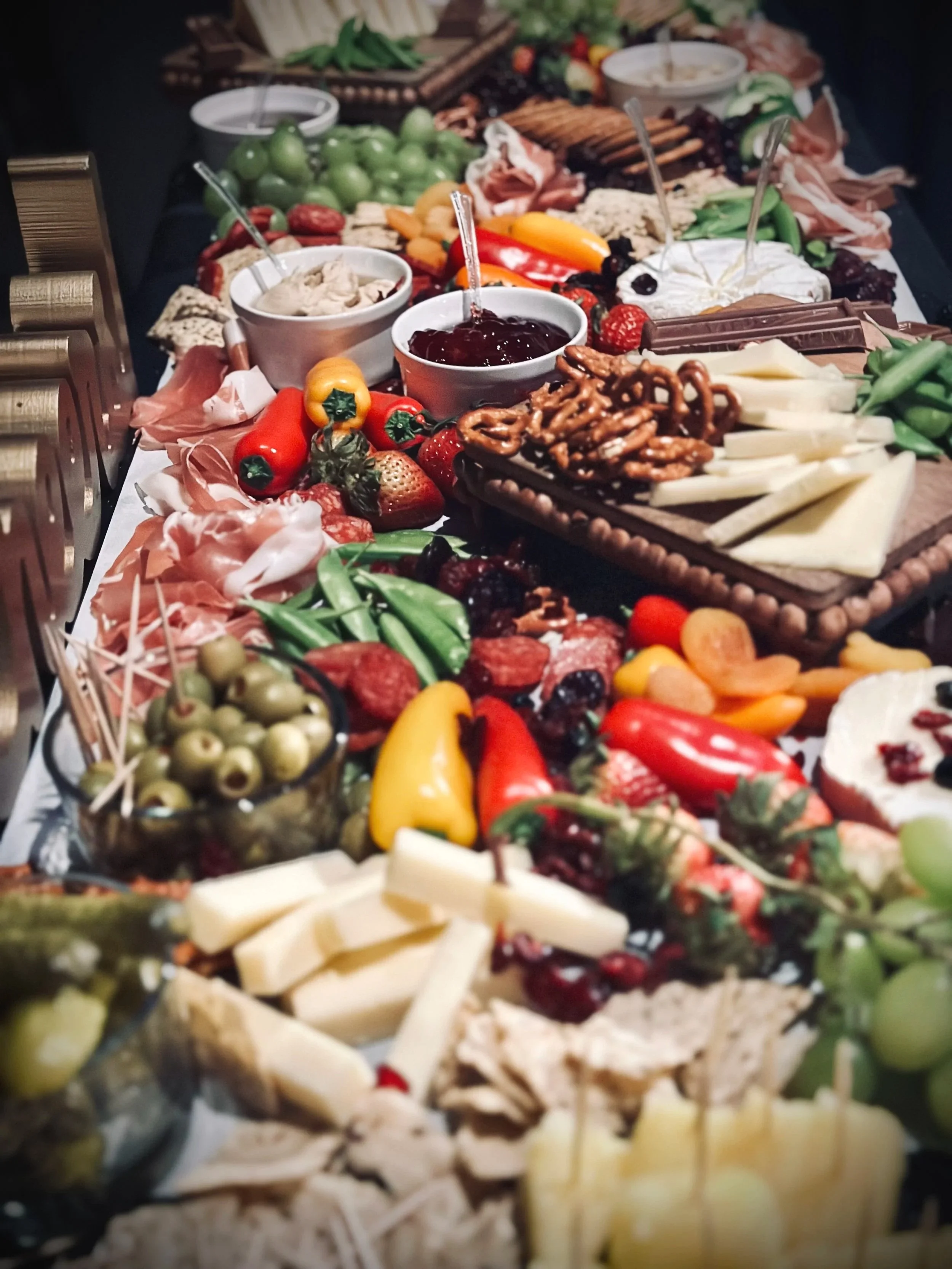
A graze table by couch + cork at an in-person event at Bennington Theater in Bennington, VT
Picture this: it's three weeks after your last team event. Someone mentions it in a meeting — not because they had to, not because the recap email is still open in a tab, but because they genuinely want to talk about it. That's the goal, right?
Most corporate event ideas sound fine in theory. A happy hour. A virtual trivia night. A cooking class that requires everyone to already own a mandolin slicer. They check the box, they fill the calendar invite, and then they disappear from memory within 48 hours. If you've been tasked with finding something better — something that actually brings people together, whether they're across the hall or across six time zones — you're in the right place.
This guide breaks down which corporate event ideas hold up in the real world, how to pick the right one for your specific team, and why execution matters just as much as the idea itself.
Why Most Corporate Event Ideas Fall Flat

A cozy, at-home setup for a couch + cork mixology class.
Let's be honest about what usually goes wrong.
Most events fail not because the concept was terrible, but because they were designed for an imaginary team — one where everyone drinks the same things, lives in the same city, has the same sense of humor, and has already bonded enough to feel comfortable in group activities with no structure.
The most common culprits:
They're passive. Sitting through a presentation or watching a cooking demo together isn't an experience — it's a viewing. Without something for people to actually do, interact around, or talk about afterward, the event dissolves the moment the window closes.
They assume physical proximity. Plenty of companies are still planning in-person-style events for teams that are fully distributed. A "team lunch" isn't accessible when half the group is in a different country. Good corporate event ideas work regardless of where people are sitting.
They're built around alcohol without offering anything else. A virtual happy hour can work, but only if "drinking on camera with your coworkers in silence" isn't the entire agenda. Structure matters.
They feel like a performance. Nobody wants to be voluntold into improv or forced to share three fun facts in front of 200 people. The best corporate events create space for connection without demanding that everyone perform their way into it.
The good news: getting it right isn't complicated. It mostly comes down to choosing something with genuine substance — an activity with built-in conversation, a low barrier to entry, and ideally something people walk away having actually learned.
Corporate Event Ideas That Actually Work for Remote and Hybrid Teams
Here's where to focus your energy. These aren't gimmicks — they're formats that have earned repeat bookings from real corporate teams.
Virtual Wine Tastings
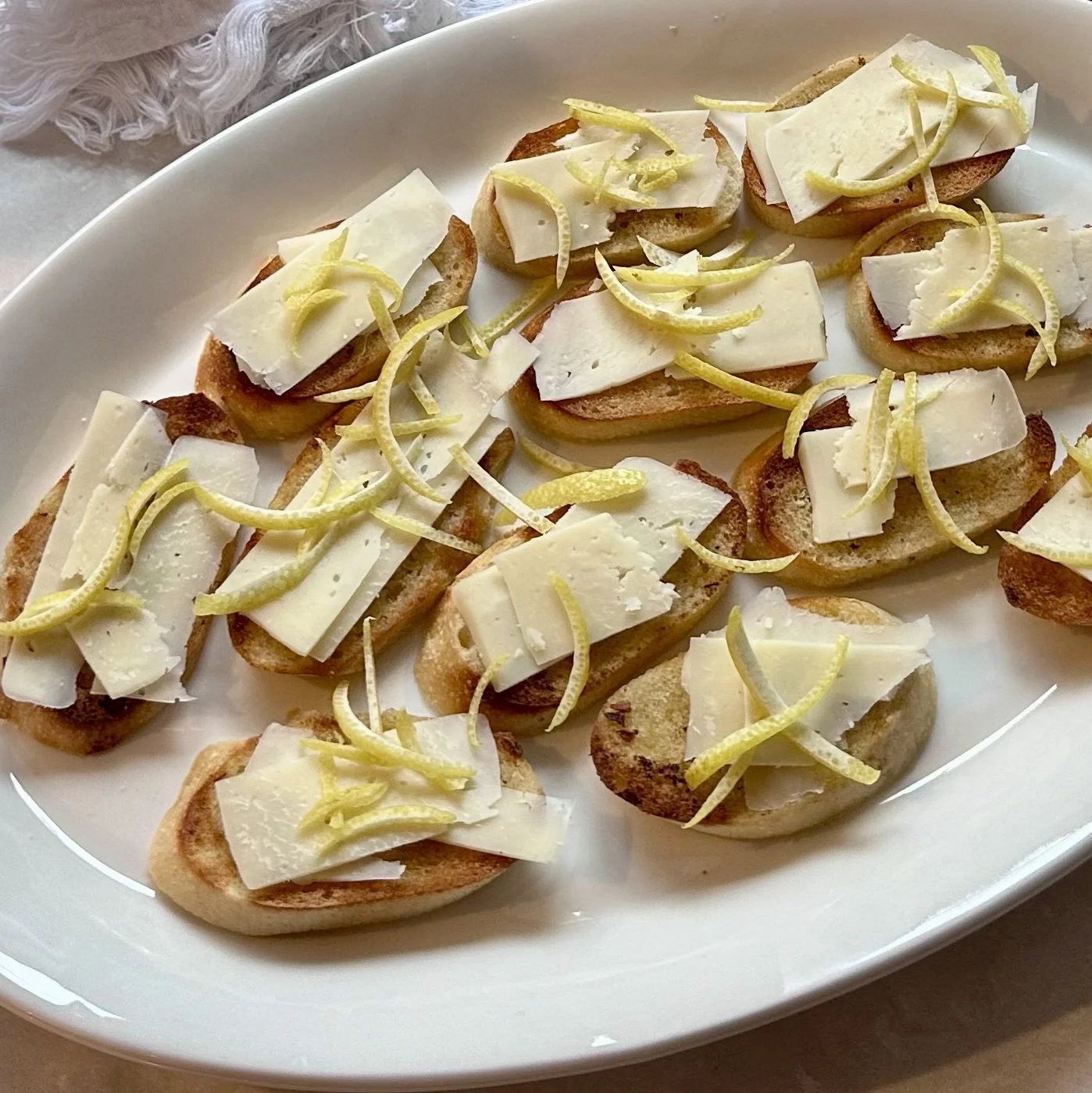
couch + cork sends simple recipes for perfect pairings.
Wine tastings have become one of the most popular corporate event ideas for distributed teams, and for good reason. Everyone gets the same kit shipped to their door, a live educator walks the group through the experience, and suddenly you have 50 people who have something specific to talk about — the wine in front of them, what it tastes like, whether they were wrong about everything they thought they knew about Pinot Grigio.
The key is an educator who can actually make it fun. Not a lecture. Not a passive demonstration. A genuine, approachable experience that treats your team as curious adults, not students. couch + cork's virtual wine tastings are built around exactly this — no snobbery, no intimidation, just a great hour that gives people something real to connect over.
Mixology Events
Not everyone drinks wine, and a good mixology session solves that naturally. Teams receive kits with everything they need — spirits, mixers, garnishes — and a host walks everyone through crafting cocktails (or mocktails, with easy swaps) together. It's interactive, slightly competitive in the best way, and leaves people with a skill they'll actually use at their next dinner party.
Paint and Sip
This one surprises people. Paint and sip events tend to get dismissed as "not our vibe" until someone actually tries one — and then it becomes the most requested format. There's something about having a task in front of you that makes conversation easier. People aren't staring at their screens waiting for something to happen; they're making something, comparing their results, laughing at the gap between what they intended and what they produced. For groups up to 50, it's consistently one of the most engaging options on the list.
Charcuterie Board Making
Building a charcuterie board together is a legitimately delightful corporate event idea that most people haven't thought to consider. Kits arrive with curated cheeses, meats, and accompaniments, and a host guides the group through building and pairing. It feels elevated without being fussy, and it translates seamlessly to both virtual and in-person formats.
Trivia Nights
Trivia works well for larger groups and for teams that already have a bit of a competitive streak. It's lower lift in terms of materials, and it creates natural subgroup energy — teams within the team. The catch is that trivia can feel a bit flat if it's not well-hosted, so getting someone who actually knows how to run the room (or the Zoom) matters more than most people account for.
How to Pick the Right Corporate Event Idea for Your Team
The best format is rarely the most elaborate one — it's the one that matches where your team actually is.
A few questions worth thinking through before you commit:

We’ve done the coursework so that your guests can enjoy!
What's your group size? Some formats scale beautifully to large groups (wine tastings can handle up to 200 people); others work best when they're more intimate (paint and sip caps around 50 for a reason — the experience degrades in a crowd). Know your headcount before you fall in love with a specific idea.
What does your team actually enjoy? If your group skews competitive, trivia or a mixology challenge might land better than something reflective. If they're more collaborative and creative, building something together — charcuterie, a painting, a cocktail — tends to generate better energy.
What's the goal? There's a difference between a quick team morale boost (45 minutes, low stakes, high fun) and a meaningful team-building moment you want people to remember for a year. Not every event needs to do the heavy lifting of building cross-functional relationships — but if that's what you're after, you need more structure and more time than a casual happy hour will give you.
Who's your audience? An all-hands event for 300 people requires different thinking than a 12-person leadership offsite or an 8-person new hire welcome. The more specific you can get about who's in the room, the better your choice will hold up.
When in doubt: pick the format that has the most built-in structure. The more there is for people to do, react to, and talk about, the less pressure falls on the attendees to manufacture connection out of thin air.
The Logistics Trap: Why Execution Matters as Much as the Idea
Here's the part nobody puts in the event planning listicle: a great idea poorly executed is worse than a mediocre idea done well.
This is especially true for remote corporate events. You've got 80 people in 30 different cities, all receiving kits that need to arrive on the right day, with the right contents, in working condition. You've got a Zoom link that needs to actually work. You've got a facilitator who needs to be good at managing energy across a screen — not just in a conference room.
The logistics aren't glamorous, but they're the whole thing.
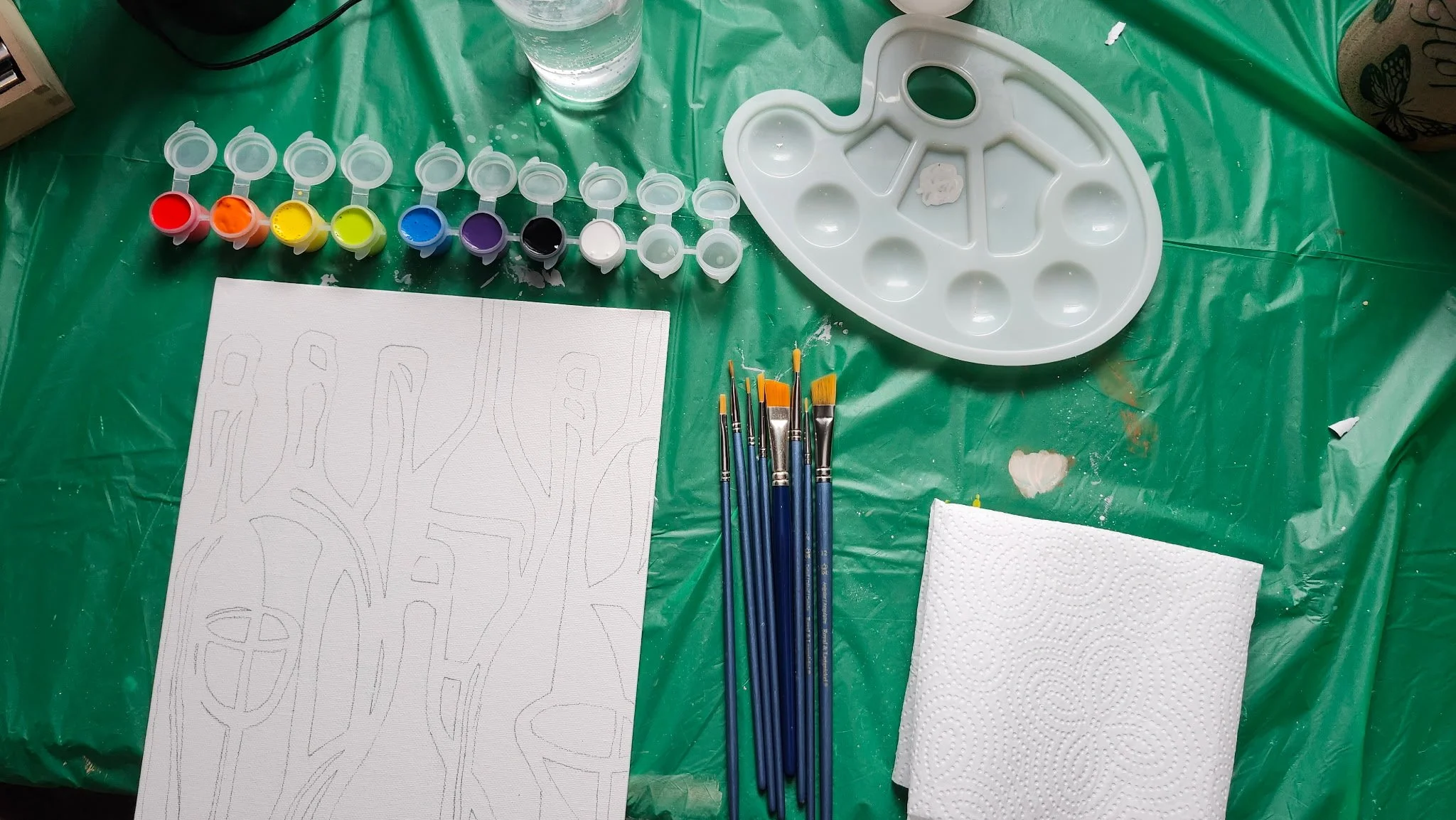
Guests are sent everything they need by couch + cork.
Most corporate event coordinators who've pulled off a memorable virtual event will tell you the same thing: the idea is maybe 30% of the outcome. The other 70% is the follow-through. Did the kits arrive? Did the facilitator know how to read the room? Was there a clear agenda so people didn't spend the first 15 minutes wondering what was happening?
This is exactly why the "turnkey" approach has become such a selling point. When someone else is managing the vendor relationships, the kit assembly, the shipping logistics, the facilitator prep, and the post-event follow-up — you just show up. That relief is real, and it's underrated.
couch + cork was built around this premise. Every detail, from curating the wine to coordinating worldwide kit delivery to the live hosted experience, is handled end-to-end. For the event coordinator who's juggling 47 other things and doesn't have time to become an expert in wine shipping regulations, that matters.
When you're evaluating corporate event ideas, ask: what does the execution actually look like? Who's responsible for what? What happens if a kit arrives late or damaged? The best events are the ones where the answer to those questions is "not your problem."
Ready to Make It Happen?
If you've been stuck in the loop of uninspired team events that everyone forgets by Thursday, it's worth trying something different.

Our team tests wines, pairing suggestions and timing to make sure each event is the perfect experience.
The best corporate event ideas share a few things in common: genuine substance, built-in conversation, and execution that doesn't fall apart in the delivery. Get those three things right and you're more than halfway there.
Get in touch with couch + cork and let's figure out what makes sense for your team — group size, format, budget, and timeline. We'll handle the rest.